
Pinacate Station
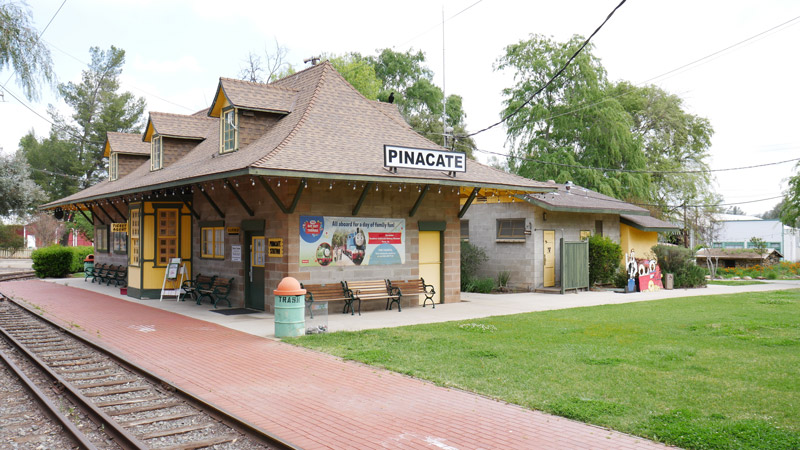
Pinacate Station is home to the Museum Store, which offers information, ticketing, refreshments, and our gift shop. There are restrooms located behind Pinacate Station.
CARHOUSE NO. 1
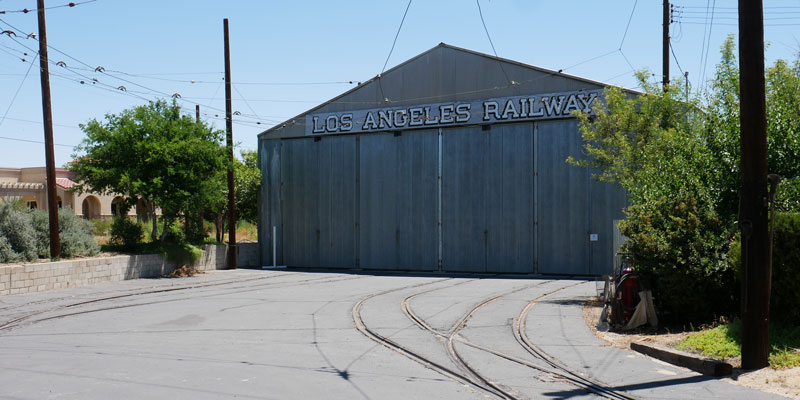 Carhouse No. 1 features narrow gauge city streetcars, such as 19th century horse cars, Los Angeles Railway “Yellow Cars”, a Japanese streetcar from 1898, and a San Francisco cable car.
CARHOUSE NO. 2
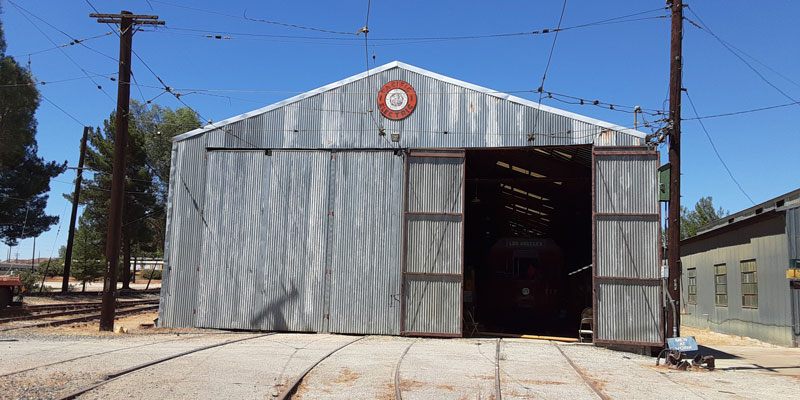 Carhouse No. 2 and the Standard Gauge Yard feature standard gauge electric locomotives, streetcars, and part of the Pacific Electric collection.
CARHOUSE NO. 4
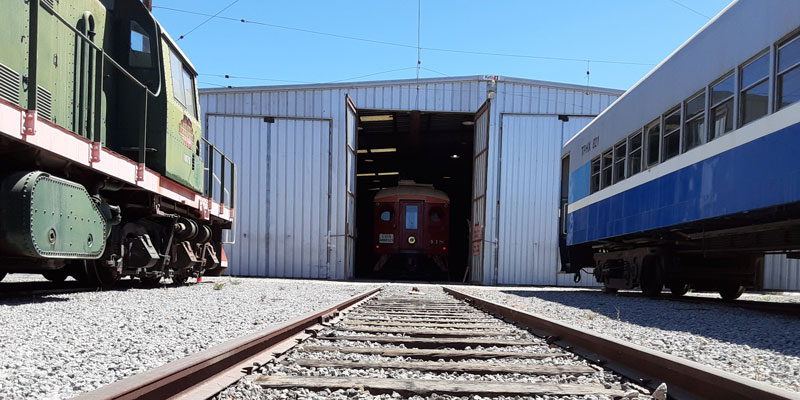 Hugh Smith Carhouse No. 4 features large passenger, freight, and electric cars, including the Museum’s operating steam locomotive the Ventura County Railway No. 2, known familiarly as the VC2.
GRIZZLY FLATS ENGINE HOUSE NO. 6
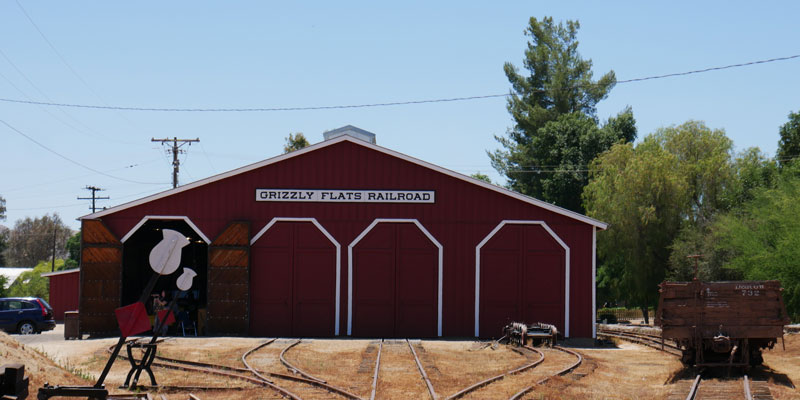 Grizzly Flats Engine House No. 6 features narrow gauge steam locomotives, passenger and freight cars, the Ward Kimball collection, and related artifacts from the 1800’s.
THE MIDDLETON COLLECTION
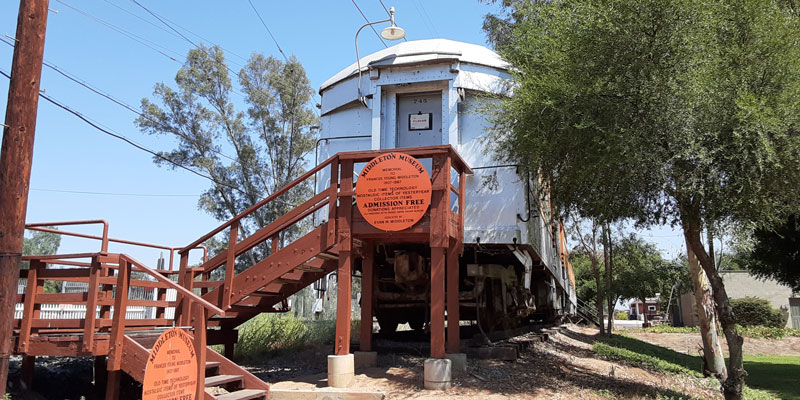 The Middleton Collection, which is housed in two Rio Grande baggage cars, includes a century of toy and scale model railroad cars and locomotives, toy automobiles and trucks, railroad artifacts, and other historic items.
THOMAS F. GROSE ARCHIVAL FACILITY
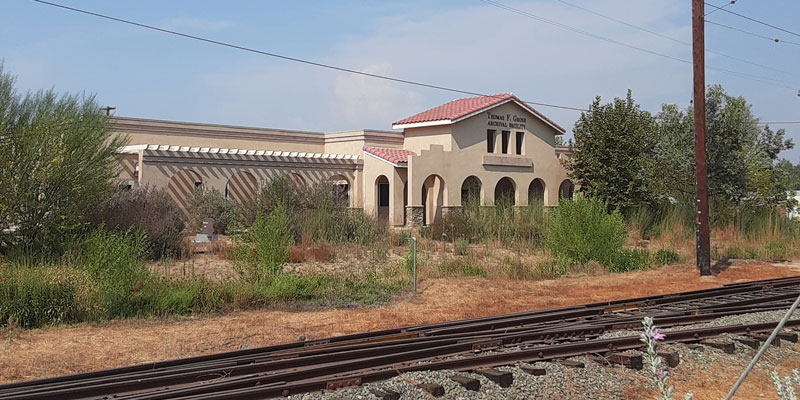 The Thomas F. Grose Archival Facility is home to the Museum’s extensive archive collection, an interpretive center, and the Fred Harvey Museum - a museum dedicated to Fred Harvey and the Harvey Girls, who are credited with paving the way for civilized western travel.
PINACATE ROCK HOUSE
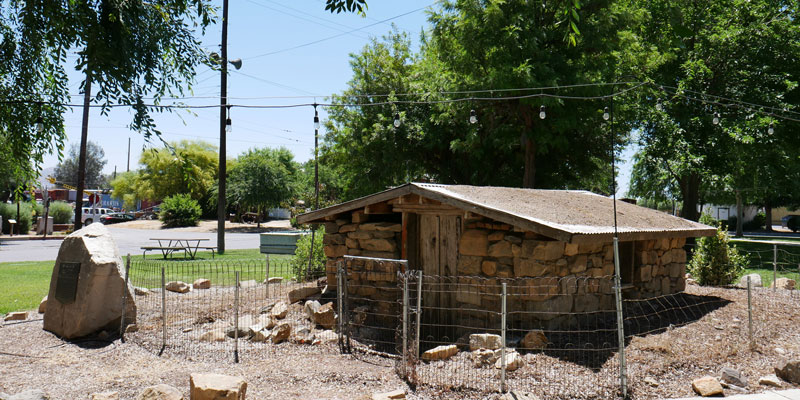 Pinacate Rock House is believed to be the oldest remaining building in the area. It was built as a store ca. 1882 by L.D. Reynolds, Pinacate’s postmaster. The building may also have served as a stage stop, where tired horses could be exchanged for fresh ones, aiding travelers on their way to San Jacinto.
COTTONWOOD STATION
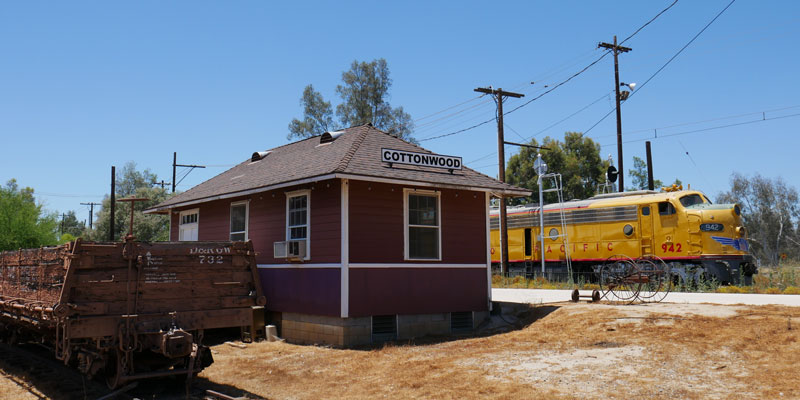 Cottonwood Station last served as a lumberyard office near Perris Depot. It has been used as a small town station in several movies.
OIL JUNCTION STATION
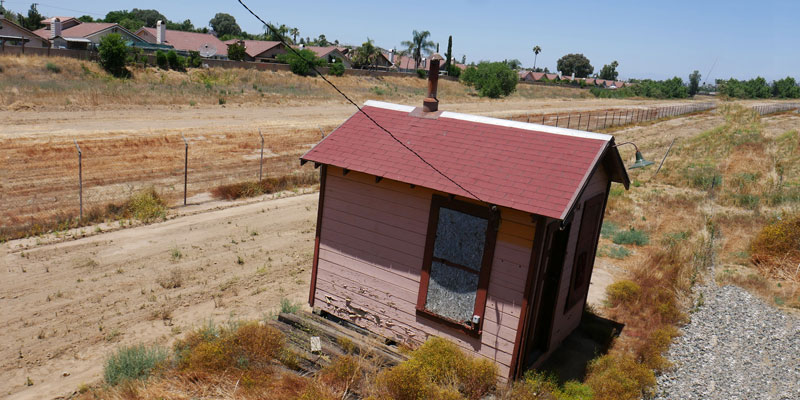 Oil Junction Station was used for the communication and coordination of railroad operations. The Train Order Office is from the joint Southern Pacific and Sante Fe Oil City Branch north of Bakersfield.
MAINTENANCE OF WAY TOOL HOUSES
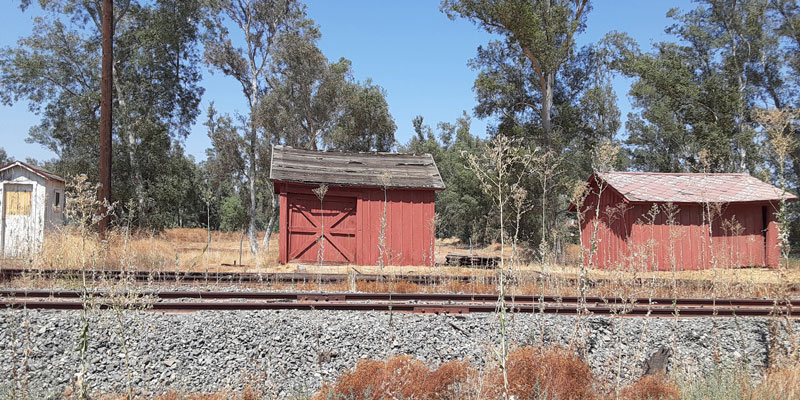 Maintenance of Way Tool Houses were located along train tracks and used to store maintenance equipment. The two Maintenance of Way Tool Houses are from the Sante Fe, at Perris and Redlands. The smaller Phone Booth is from the San Jacinto’s Alessandro Station.
HARBOR BELT LINE FERRY TERMINAL YARD OFFICE
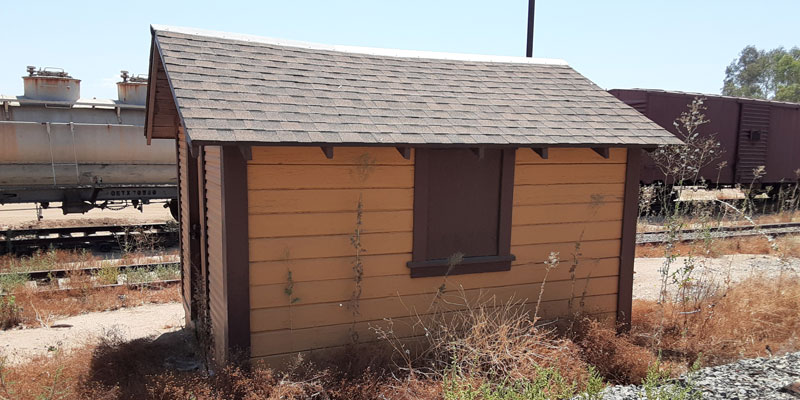 The Harbor Belt Line Ferry Terminal Yard Office was used by the Yard Master to coordinate the moving and switching of railroad cars.